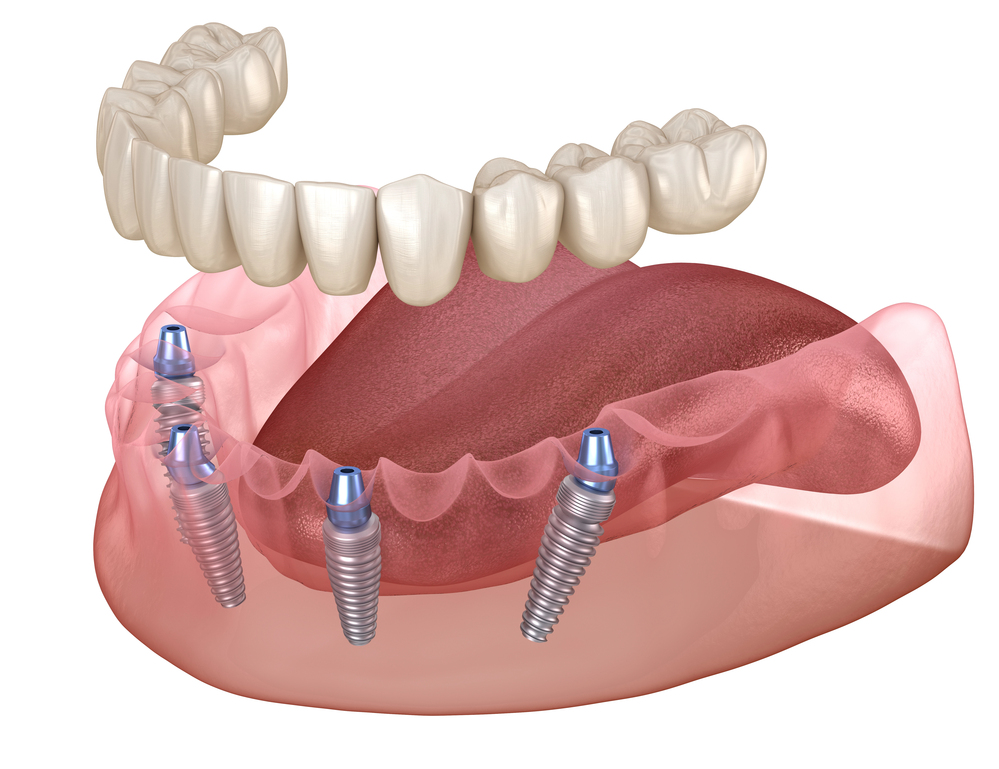
In the evolving landscape of reconstructive dentistry, stability is no longer viewed merely as a mechanical requirement—it has become a biological, digital, and experiential benchmark. Today, one of the most remarkable examples of this multidimensional shift is the rise of All-On-4 Plus implants, a reengineered adaptation of the traditional All-On-4 concept that enhances structural resilience, predictability, and patient comfort. As dental practitioners explore systems that promise greater functionality with reduced downtime, All-On-4 Plus stands out as a smart approach to complete smile restoration, merging advanced surgical techniques with modern prosthetic design.
Rethinking Implant Stability Beyond the Titanium Post
Stability in implant dentistry has traditionally revolved around osseointegration—the biological bonding of bone to a titanium implant. While this remains critical, contemporary research has expanded the definition of stability to include implant angulation, load distribution, soft-tissue support, bone preservation, and prosthetic biomechanics. All-On-4 Plus elevates each of these components through strategic innovation.
Unlike the conventional full-arch implant method, which required six to eight implants per jaw, All-On-4 Plus uses four to six implants strategically positioned at varying angulations to maximize contact with existing bone. This approach reduces the need for extensive bone grafting while ensuring that biomechanical forces are distributed more efficiently across the arch. The result is not only improved initial stability but also enhanced long-term performance under functional loads.
This engineered stability is particularly significant for patients with moderate bone resorption—an issue commonly seen among long-term denture wearers or individuals who have delayed seeking restorative treatment. By placing posterior implants on a tilt, surgeons can avoid the sinus cavities in the upper jaw and the nerve canal in the lower jaw, making the procedure more accessible and minimally invasive.
Engineering Efficiency: The Role of Digital Dentistry
Another cornerstone of the All-On-4 Plus evolution is digital workflow integration. With 3D imaging, CBCT scans, and intraoral scans, clinicians can map bone density, anatomical structures, and prosthetic space in extraordinary detail. This precision allows for virtual planning and surgical guides that refine implant placement down to fractions of a millimeter.
The digital workflow also accelerates one of the most valued aspects of this treatment: immediate function. Most patients walk out of surgery with a fixed provisional bridge attached to their implants, preventing the emotional and functional disruption associated with traditional healing periods. This contributes to shorter adjustment phases and more predictable outcomes, while maintaining the stability necessary for early osseointegration.
Recovery Time and Patient-Centred Healing
A major question for patients considering full-arch implants involves the recovery time of All-On-4 Plus dental implants. While recovery can vary depending on health status, bone quality, and individual healing response, the All-On-4 Plus protocol is specifically designed to minimise postoperative discomfort and support faster rehabilitation.
Because the system reduces the need for bone grafting, trauma to the surrounding tissues is significantly decreased. Many patients experience manageable swelling and mild soreness for the first few days but are typically able to resume light activities shortly after the procedure. Within weeks, most individuals begin to adapt to their new prosthetic teeth, and full osseointegration usually progresses steadily over the next three to six months.
The streamlined recovery process is not merely a convenience—it is a psychological advantage. Patients often report a sense of restored identity and renewed social confidence within days of receiving their provisional bridge, marking a profound shift in their quality of life.
Biomimetic Design: Stability Through Replication of Nature
Advancements in prosthetic materials and design also contribute to the enhanced stability offered by All-On-4 Plus. Modern restorative arches are crafted with biomimetic principles—mimicking the natural shape, translucency, and functional movement of real teeth.
High-strength materials such as titanium frameworks, advanced acrylics, and zirconia hybrids are engineered to withstand the daily forces of chewing while maintaining a lightweight profile. This reduces strain on implants, enhances comfort, and promotes long-term durability.
The prosthetic design also plays a pivotal role in preserving tissue health. Properly contoured arches support the lips and cheeks, prevent food trapping, and allow for easy maintenance—factors that contribute to overall oral stability.
A Smart Approach to Complete Smile Restoration
All-On-4 Plus is more than a procedure; it represents a smart approach to complete smile restoration—one that merges precision surgery, digital intelligence, biomimetic artistry, and patient-centred care. By reengineering the concept of stability, this system addresses not only the functional demands of modern full-arch replacement but also the emotional and lifestyle needs of today’s dental patients.
With its emphasis on minimally invasive techniques, shortened treatment timelines, improved biomechanics, and high-quality prosthetic design, All-On-4 Plus is reshaping what patients and practitioners can expect from full-mouth rehabilitation. Its innovative principles mark a significant advancement in the journey toward predictable, resilient, and aesthetically powerful smile restoration.
Stability as a New Standard of Care
As dentistry continues to integrate digital technology, advanced materials, and evidence-based surgical methods, All-On-4 Plus implants highlight how far the profession has progressed. They offer a compelling blueprint for the future of full-arch reconstruction—one that values stability not as an outcome alone, but as a guiding philosophy.
In redefining the structural, biological, and experiential aspects of treatment, All-On-4 Plus implants represent a new era in modern dentistry—one where stability is engineered, confidence is restored, and complete smile transformation is more accessible than ever.
Here are some Australia’s best cities for high-quality dental implants.